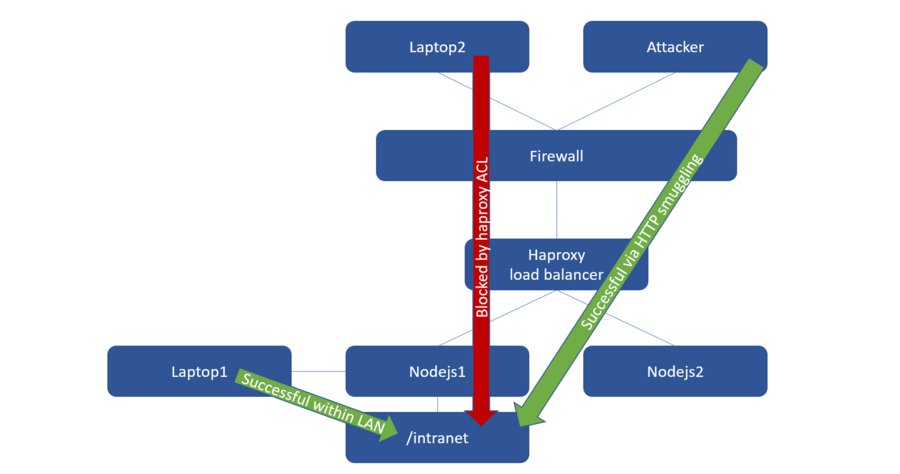
In the ever-evolving landscape of cybersecurity, new threats and attack vectors continuously emerge, challenging the resilience of organizations and individuals alike. One such threat that has recently surfaced is the utilization of HTML smuggling via counterfeit Google Sites to disseminate malware. In this comprehensive exploration, we will delve into the intricacies of this sophisticated attack methodology, focusing on the distribution of the AZORult malware, its multifaceted capabilities, and the broader implications for cybersecurity.
Understanding HTML Smuggling:
HTML smuggling represents a novel technique employed by cyber adversaries to bypass conventional security mechanisms and deliver malicious payloads to unsuspecting victims. By exploiting legitimate HTML5 and JavaScript functionalities, attackers can construct and execute covert scripts, rendering them exceedingly difficult for traditional security solutions to detect and mitigate effectively.
Deciphering AZORult:
At the heart of this malicious campaign lies AZORult, a formidable information-stealing malware variant that has plagued cyberspace since its inception in 2016. Known by aliases such as PuffStealer and Ruzalto, AZORult infiltrates systems through various vectors, including phishing emails, trojanized software distributions, and malvertising campaigns. Once implanted, this insidious malware possesses the capability to exfiltrate a myriad of sensitive data types, ranging from login credentials and browsing histories to cryptocurrency wallet information, posing a significant threat to both individuals and organizations alike.
The Intricacies of the Attack Strategy:
In the latest iteration of this ongoing threat landscape, attackers have ingeniously leveraged fake Google Sites pages to orchestrate their malicious operations. These deceptive web pages, masquerading as legitimate Google Docs repositories, host encoded payloads within separate JSON files, effectively evading detection by conventional security measures. Furthermore, the inclusion of CAPTCHA challenges adds an additional layer of complexity, further obfuscating the malicious intent and enhancing the attack's stealthiness.
Evolving Phishing Tactics:
The evolution of phishing tactics underscores the adaptability and sophistication of cyber adversaries in their pursuit of illicit gains. From employing shortcut files disguised as innocuous PDF documents to impersonating governmental entities through booby-trapped emails, attackers continue to refine their methodologies, exploiting vulnerabilities in human psychology and organizational defenses.
Mitigating the Risks:
In the face of these dynamic and pervasive threats, the importance of adopting a proactive cybersecurity posture cannot be overstated. Organizations and individuals must prioritize the implementation of robust security measures, including advanced email filtering solutions, endpoint protection mechanisms, and comprehensive user education programs. By fostering a culture of cyber awareness and resilience, we can collectively fortify our defenses and mitigate the risks posed by malicious actors.
Conclusion:
In the intricate realm of cybersecurity, the emergence of malicious HTML smuggling via counterfeit Google Sites represents a formidable challenge that demands proactive vigilance and resilience. As we navigate through the complexities of this evolving threat landscape, it becomes increasingly evident that digital adversaries are relentless in their pursuit of exploiting vulnerabilities and evading detection.
The unveiling of this insidious tactic underscores the critical need for organizations and individuals to remain steadfast in their commitment to cybersecurity. By understanding the intricacies of HTML smuggling and its association with malware distribution, we can equip ourselves with the knowledge and tools necessary to fortify our defenses against such sophisticated attacks.
As guardians of digital security, it is incumbent upon us to adopt a multifaceted approach to mitigating the risks posed by malicious HTML smuggling. This entails implementing robust email filtering solutions, endpoint protection mechanisms, and comprehensive user education programs to foster a culture of cyber awareness and resilience.
At digiALERT, we recognize the gravity of this threat and remain unwavering in our dedication to safeguarding our clients and partners against emerging cyber risks. By staying abreast of the latest developments in cybersecurity and leveraging innovative technologies, we stand ready to confront the challenges posed by malicious actors and uphold the integrity of the digital ecosystem.
In this ever-changing landscape, vigilance is our greatest ally. Together, let us navigate the complexities of cybersecurity with diligence, determination, and a steadfast commitment to securing our digital future.