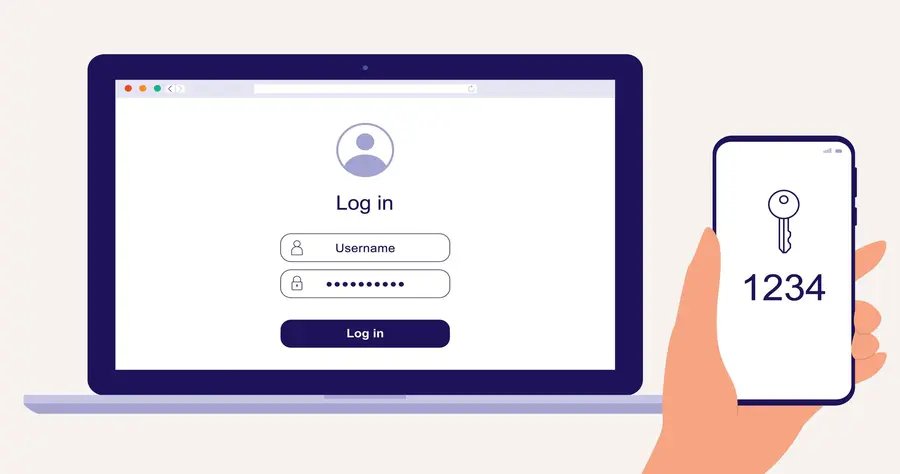
In today's digital age, cybersecurity is a top priority for businesses of all sizes. Small and medium-sized businesses (SMBs), in particular, face unique challenges in safeguarding their digital assets from a myriad of threats. Among the many tools available to enhance cybersecurity, Two-Factor Authentication (2FA) stands out as a potent ally for SMBs. This comprehensive blog explores the intricacies of 2FA, its importance for SMBs, and offers a step-by-step guide to its successful implementation.
Understanding 2FA
Before delving into the specifics of implementing 2FA for SMBs, it's crucial to comprehend what Two-Factor Authentication actually is. At its core, 2FA is a security process that requires a user to provide two different authentication factors to verify their identity. These factors typically fall into three distinct categories:
- Something you know: This category encompasses traditional passwords or personal identification numbers (PINs) that users are familiar with.
- Something you have: This factor often involves a physical device that the user possesses, such as a smartphone, security token, or smart card.
- Something you are: Biometric data, including fingerprints, iris scans, or facial recognition, serves as the third factor.
The combination of these factors adds a robust layer of security beyond just a password, thereby significantly reducing the risk of unauthorized access.
The SMB Cybersecurity Landscape
Small and medium-sized businesses are an attractive target for cybercriminals. While these businesses may not have the extensive resources or security measures in place that larger enterprises do, they possess valuable digital assets, making them tempting prospects for malicious actors. As a result, SMBs are often caught in the crosshairs of various cyber threats, including phishing attacks, ransomware, and data breaches.
The importance of implementing robust cybersecurity measures, such as 2FA, cannot be overstated in this context. 2FA acts as a formidable shield against these threats and helps SMBs mitigate the risks associated with their digital presence.
The Benefits of 2FA for SMBs
Let's explore the specific advantages that Two-Factor Authentication can bring to small and medium-sized businesses:
Enhanced Security
The primary and most compelling benefit of 2FA is the significant enhancement of security. It acts as a bulwark against unauthorized access by requiring not just something the user knows (a password) but also something they have or something they are. This two-pronged approach creates a formidable barrier that is challenging for cybercriminals to breach.
Reduced Risk of Unauthorized Access
Cybercriminals often target SMBs with stolen or weak passwords. By implementing 2FA, these vulnerabilities are greatly reduced. Even if an attacker manages to obtain a user's password, gaining access to the account remains unlikely without the second authentication factor.
Cost-Effectiveness
Many 2FA solutions are affordable and user-friendly. Small and medium-sized businesses often operate on tighter budgets than their larger counterparts, making cost-effective security solutions essential. 2FA fits the bill by providing a high level of security without breaking the bank.
Compliance
Compliance with industry regulations and standards is a significant concern for SMBs, particularly those in sectors like healthcare, finance, or e-commerce. Many of these regulations, such as the Health Insurance Portability and Accountability Act (HIPAA) or the General Data Protection Regulation (GDPR), mandate the use of strong authentication methods like 2FA. Compliance not only helps in protecting sensitive data but also avoids the risk of fines and legal consequences.
Implementing 2FA in SMBs
Now that we've established the importance of 2FA, let's delve into how SMBs can successfully implement this security measure within their organizations.
- Choose the Right Solution
Selecting the right 2FA solution is paramount. There are various methods to choose from, including SMS codes, authenticator apps, hardware tokens, and biometrics. The choice should align with your business needs, budget, and the level of security required. Here are some considerations for each:
- SMS Codes: An accessible option that sends codes to a user's mobile device. It's cost-effective but may be susceptible to SIM swapping attacks.
- Authenticator Apps: Apps like Google Authenticator and Authy generate time-based codes for authentication. They offer a higher level of security and are relatively cost-effective.
- Hardware Tokens: Physical devices that generate one-time codes or have built-in biometric authentication. These provide robust security but may be costlier.
- Biometrics: Leveraging biometric data such as fingerprints or facial recognition, this method offers high security but may require compatible hardware.
Carefully evaluate your business requirements and the needs of your users when choosing a 2FA solution.
- Educate Employees
A successful 2FA implementation hinges on the cooperation of your employees. It's essential to ensure that they understand how 2FA works, appreciate its importance, and know how to use it effectively. Conduct training sessions and provide clear, concise instructions to make the transition as smooth as possible.
- Integration
To maximize the benefits of 2FA, it should be seamlessly integrated into your existing systems and applications. Most major service providers offer 2FA options for email, cloud services, and remote access solutions. Ensure compatibility before implementation to avoid any disruptions.
- Backup Plans
In the event that the second factor (e.g., a smartphone or hardware token) becomes unavailable, you should have backup plans in place. This ensures that employees can still access critical systems and maintain productivity even if their primary authentication method is temporarily inaccessible. Backup codes or alternative authentication methods can be used as contingencies.
- Regular Audits and Updates
The cybersecurity landscape is constantly evolving, with new threats emerging and technology advancing. To keep your 2FA procedures effective, conduct regular audits and updates. Ensure that your chosen 2FA solution is up-to-date and capable of adapting to changing threats and technologies.
Challenges to Consider
While the benefits of 2FA are substantial, SMBs may encounter certain challenges during implementation. Awareness of these potential roadblocks and effective strategies to overcome them is crucial:
Resistance to Change
Employees might initially resist adopting 2FA, perceiving it as an inconvenience. To address this resistance, invest in employee education and highlight the security benefits that 2FA brings. Additionally, streamline the user experience as much as possible to minimize disruptions.
Compatibility
Not all systems and applications support 2FA. Before implementing 2FA across the board, ensure that it is compatible with your existing technology infrastructure. In some cases, you may need to explore workarounds or alternative security measures for systems that do not support 2FA.
Costs
While 2FA is generally cost-effective, some solutions may have associated expenses, such as purchasing hardware tokens or implementing biometric authentication. Evaluate your budget and select a 2FA solution that aligns with your financial capabilities. Remember that the long-term security benefits often outweigh the initial investment.
Examples and Evidence:
- Phishing Protection:
Example: A small marketing agency implemented 2FA for their email accounts. A phishing attempt was made, where an attacker tried to trick an employee into revealing their email credentials. However, the attacker couldn't access the account because 2FA was in place.
Evidence: This incident demonstrated that even if an employee's password is compromised through a phishing attack, the additional layer of 2FA protected the account from unauthorized access.
- Ransomware Mitigation:
Example: A medium-sized law firm fell victim to a ransomware attack. The attacker demanded a ransom for the decryption key. Fortunately, the firm had implemented 2FA for its file storage services. Even if the attacker had access to the files, they couldn't access the storage due to 2FA. The firm restored its data from backups and avoided paying the ransom.
Evidence: This case illustrates that 2FA can act as a strong defense against ransomware attacks by preventing unauthorized access to critical systems and data.
- Regulatory Compliance:
Example: A healthcare clinic had to adhere to the Health Insurance Portability and Accountability Act (HIPAA), which mandates the use of strong authentication methods. The clinic implemented 2FA for its electronic health records system to comply with HIPAA requirements.
Evidence: By adopting 2FA to meet regulatory compliance, the healthcare clinic ensured the security of sensitive patient data and minimized the risk of data breaches and associated legal consequences.
- Remote Work Security:
Example: An IT consulting firm allowed its employees to work remotely. To enhance security, they required 2FA for accessing their corporate VPN and cloud services. During the COVID-19 pandemic, when remote work surged, this measure prevented unauthorized access attempts.
Evidence: This case demonstrates the practical application of 2FA in securing remote work environments, where access to corporate systems and data is crucial.
- Password Management:
Example: An online retail store used 2FA as part of its password management policy. They encouraged customers to enable 2FA for their accounts. When a data breach exposed a list of usernames and passwords, the accounts with 2FA remained secure.
Evidence: This example showcases how SMBs can protect their customers' accounts and maintain trust by promoting and facilitating the use of 2FA.
- Financial Fraud Prevention:
Example: A small financial advisory firm used 2FA for accessing online banking systems. A cybercriminal attempted to initiate unauthorized wire transfers from the firm's bank account. However, the 2FA requirement thwarted the attacker's efforts.
Evidence: This case highlights how 2FA can serve as a powerful defense against financial fraud and unauthorized access to sensitive financial accounts.
- Employee Training and Adoption:
Example: A technology startup implemented 2FA but noticed that some employees were initially resistant to the change, viewing it as an extra step. The company conducted thorough training sessions, explaining the importance of 2FA. Over time, employees adopted 2FA willingly, realizing its security benefits.
Evidence: This example emphasizes the role of education and training in successfully implementing 2FA. Overcoming initial resistance is possible with proper communication.
Conclusion
In today's digital landscape, cybersecurity is a paramount concern for businesses, and for SMBs, it's not just about protecting data; it's about securing the future. As DigiALERT, your commitment to enhancing cybersecurity for SMBs through Two-Factor Authentication (2FA) is a testament to the proactive approach needed to safeguard against ever-evolving cyber threats.
The journey through this blog has illuminated the significance of 2FA for small and medium-sized businesses. The benefits, including enhanced security, reduced risks, cost-effectiveness, and compliance, make it a must-have component in any SMB's cybersecurity strategy. The implementation steps, from choosing the right solution to educating employees and ensuring compatibility, provide a roadmap for organizations to follow.
However, it's essential to acknowledge the challenges that may arise during 2FA implementation. Resistance to change, compatibility issues, and associated costs are hurdles that need to be overcome. But these challenges, when addressed effectively, pave the way for stronger, more resilient cybersecurity.
As DigiALERT, your role in guiding SMBs through this process is pivotal. Your expertise in digital security and your dedication to making 2FA accessible and comprehensible to SMBs will empower these businesses to protect their digital assets effectively.
In a world where cyber threats continue to evolve and adapt, 2FA isn't just an option; it's a necessity. The proactive embrace of 2FA by SMBs not only fortifies their defenses but also sends a clear message to cybercriminals: our digital assets are well-protected. By strengthening cybersecurity through 2FA, DigiALERT and SMBs can jointly shape a safer and more secure digital future.