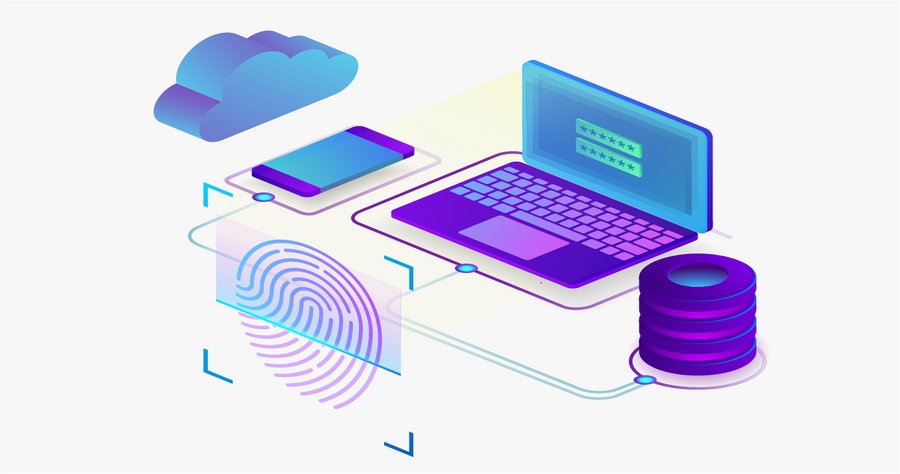
In today's digital age, the need for robust and reliable methods of authentication has never been greater. Passwords, once the primary means of verifying identity, are becoming increasingly vulnerable to cyberattacks. This has led to a growing interest in alternative methods of authentication, and one of the most promising among them is biometric authentication. Biometrics, which involves using unique physical or behavioral characteristics for identification, holds the potential to revolutionize cybersecurity. In this blog post, we will explore the concept of biometric authentication, its benefits, challenges, and its role in shaping the future of cybersecurity.
Introduction to Biometric Authentication
What Is Biometric Authentication?
Biometric authentication is a method of verifying a person's identity based on unique physical or behavioral attributes. These attributes can include fingerprints, facial features, iris patterns, voice, gait, and even typing patterns. Unlike traditional authentication methods such as passwords or PINs, which can be easily forgotten, stolen, or hacked, biometric data is inherently difficult to replicate or steal.
Types of Biometric Authentication
- Fingerprint Recognition: This is one of the most common biometric authentication methods. It involves scanning and matching the unique patterns found in an individual's fingerprints.
- Facial Recognition: This method captures and analyzes an individual's facial features to verify their identity. It has gained popularity with the advent of smartphones equipped with facial recognition technology.
- Iris Recognition: Iris scanning involves the unique patterns within the colored part of the eye (the iris) to confirm identity.
- Voice Recognition: By analyzing the distinct characteristics of an individual's voice, such as pitch, tone, and speech patterns, voice recognition can be used for authentication.
- Palm Vein Recognition: This method maps the unique patterns of veins in the palm, offering a highly secure form of biometric authentication.
- Behavioral Biometrics: This includes authentication methods based on an individual's behavior, such as typing speed and rhythm, mouse movement patterns, and even gait analysis.
The Benefits of Biometric Authentication
Biometric authentication offers a range of advantages that make it an attractive choice for enhancing cybersecurity:
- Uniqueness and Non-Repudiation
Each person's biometric data is unique, making it difficult for unauthorized users to gain access. It also provides non-repudiation, meaning that an individual cannot deny their actions, as their biometric data ties them to the activity.
- Convenience
Unlike passwords, which can be forgotten or lost, biometric data is always available and doesn't need to be memorized. This makes the authentication process more convenient for users.
- Increased Security
Biometrics are challenging to forge or steal. While passwords can be compromised through various means, gaining unauthorized access to someone's biometric data is far more complex.
- Reduced Risk of Credential Sharing
Passwords are often shared or written down, increasing the risk of unauthorized access. With biometric authentication, an individual's unique attributes are required, reducing the likelihood of sharing.
- Improved User Experience
Biometric authentication offers a seamless and user-friendly experience. This is particularly important in today's world, where user experience is a key consideration in the adoption of technologies.
Challenges and Concerns
While biometric authentication offers many benefits, it is not without its challenges and concerns:
- Privacy Issues
Collecting and storing biometric data raises privacy concerns. Individuals may worry about the security of their data and the potential for misuse or unauthorized access.
- Data Breaches
While biometric data is more secure than passwords, it is not immune to data breaches. If biometric databases are compromised, there may be serious consequences for individuals.
- False Positives and Negatives
Biometric systems are not infallible and can produce false positives (accepting unauthorized users) or false negatives (rejecting legitimate users). This can lead to user frustration and security concerns.
- Cost and Infrastructure
Implementing biometric authentication can be costly, requiring specialized hardware and software. Small businesses and individuals may find it less accessible.
- Standardization
There is a need for standardized practices and regulations governing the use of biometric data to ensure its ethical and secure use.
Biometric Authentication in Action
- Mobile Devices
Smartphones and tablets have become the most common platforms for biometric authentication. The integration of fingerprint and facial recognition technology in mobile devices has significantly improved the security and convenience of device access.
- Airport Security
Many airports around the world have implemented biometric authentication to streamline passenger check-in and security processes. Biometrics can speed up the verification process while enhancing security.
- Healthcare
Biometric authentication is being used in healthcare for secure patient identification, reducing the risk of medical identity theft, and improving the accuracy of patient records.
- Financial Services
Banks and financial institutions are increasingly adopting biometric authentication methods, such as fingerprint or facial recognition, to enhance the security of online and mobile banking.
- Government Services
Governments are using biometric data for various services, such as issuing passports and visas, and even for voter identification in some countries.
The Future of Cybersecurity: Biometrics at the Core
Biometric authentication is set to play a pivotal role in the future of cybersecurity. As cyber threats continue to evolve and become more sophisticated, traditional authentication methods are proving insufficient. Biometrics, with their unique advantages, are well-positioned to address many of these challenges.
- Multi-Factor Authentication (MFA)
Biometric authentication is an ideal component of MFA. By combining biometrics with other factors like a PIN or a smart card, MFA becomes even more secure, making it harder for unauthorized users to gain access.
- Passwordless Authentication
The concept of passwordless authentication, where biometrics replace traditional passwords, is gaining traction. This approach not only enhances security but also eliminates the need for users to remember complex passwords.
- Continuous Authentication
Continuous authentication uses biometrics to monitor a user's behavior throughout a session. If the system detects anomalies or signs of unauthorized access, it can take action to secure the session.
- Improved Cybersecurity for IoT
With the increasing use of Internet of Things (IoT) devices, biometrics can help secure these devices, preventing unauthorized access to connected systems and data.
- Enhanced Identity Verification
In an age of digital identity, biometrics offer a robust way to verify individuals, which is vital for services like e-commerce, social media, and online gaming.
The Ethical and Legal Aspects
As biometric authentication becomes more widespread, addressing ethical and legal concerns is crucial:
- Privacy Regulations
Countries and regions are enacting regulations like the GDPR in Europe and the California Consumer Privacy Act (CCPA) to protect biometric data and ensure individuals have control over their data.
- Consent
Obtaining informed consent from individuals before collecting and using their biometric data is an essential ethical practice.
- Data Security
Biometric databases must be highly secure to protect against data breaches. Strong encryption and access controls are essential.
- Transparency
Organizations must be transparent about how they collect, store, and use biometric data, providing individuals with a clear understanding of the process.
Examples and Evidence:
Example 1: Mobile Device Biometric Authentication
Evidence: The widespread adoption of biometric authentication in mobile devices serves as a compelling example. Smartphone manufacturers like Apple and Samsung have integrated fingerprint and facial recognition technology into their products. Apple's Face ID, for instance, has a false positive rate of 1 in 1,000,000, making it a highly secure authentication method. This demonstrates the increasing reliance on biometrics to secure access to personal information and sensitive data.
Example 2: Airport Security and Biometrics
Evidence: Many airports worldwide have implemented biometric authentication to streamline passenger check-in and security processes. For instance, the U.S. Customs and Border Protection agency has introduced facial recognition technology at major U.S. airports for international travelers. This technology verifies passengers' identities more quickly and accurately than manual passport checks, enhancing both security and efficiency.
Example 3: Healthcare and Patient Identification
Evidence: In the healthcare sector, biometric authentication is being used to ensure secure patient identification. Allscripts, a leading healthcare technology provider, integrates fingerprint and palm vein recognition to improve patient safety and protect against medical identity theft. This not only demonstrates the practical application of biometrics in healthcare but also underscores the importance of securing sensitive patient data.
Example 4: Financial Services and Biometric Authentication
Evidence: Financial institutions are increasingly adopting biometric authentication methods to enhance security. For example, many banks have implemented fingerprint or facial recognition for online and mobile banking applications. This shift reflects the financial industry's recognition of biometrics as a way to safeguard customer accounts and transactions from cyber threats and fraud.
Example 5: Government Services and Biometrics
Evidence: Governments are using biometric data for various purposes, including issuing passports and visas. For instance, India's Aadhaar program, one of the largest biometric identification systems in the world, has provided over 1.3 billion residents with a unique 12-digit ID number linked to their biometric and demographic data. This initiative showcases the potential for biometrics to enhance identity verification and reduce fraud in government services.
Example 6: Rise of Biometric Startups
Evidence: The cybersecurity industry has witnessed a surge in biometric startup companies that offer innovative solutions. For instance, HYPR, a New York-based startup, focuses on decentralized biometric authentication. Their platform enables passwordless multi-factor authentication for enterprises, emphasizing the growing demand for secure and user-friendly biometric solutions.
Example 7: Continuous Authentication Solutions
Evidence: Companies like BehavioSec provide continuous authentication solutions based on behavioral biometrics. By analyzing how users interact with their devices, these systems can detect anomalies and respond to potential threats. The adoption of such technology underscores the need for dynamic and adaptable cybersecurity methods, which biometrics are well-suited to provide.
Example 8: International Regulations on Biometric Data
Evidence: The introduction of regulations like the General Data Protection Regulation (GDPR) in Europe and the California Consumer Privacy Act (CCPA) in the United States demonstrates the growing concern for biometric data privacy. These regulations place strict requirements on organizations that collect, store, and process biometric data, underscoring the importance of ethical and secure biometric practices.
Conclusion
In the rapidly evolving landscape of cybersecurity, the role of biometric authentication is not merely a trend; it is a pivotal and indispensable component of our digital future. As DigiALERT, we understand the pressing need for more secure and convenient methods of authentication in an age where cyber threats are ever more sophisticated and relentless. Biometrics offer a promising solution to this multifaceted challenge.
The advantages of biometric authentication, from its inherent uniqueness and non-repudiation to its user-friendly convenience, are clear. They address many of the shortcomings of traditional password-based authentication methods. However, the road ahead is not without obstacles. Privacy concerns, potential data breaches, and the need for ethical and legal safeguards must be navigated with care.
Nonetheless, the future of cybersecurity is intertwined with biometrics. The adoption of multi-factor authentication, passwordless authentication, continuous monitoring, and the improved security of IoT devices all rest upon the foundation of biometric technology. It is not merely a technological innovation; it is a paradigm shift that promises to create a safer and more user-centric digital world.
As DigiALERT, we are committed to embracing biometric authentication as a cornerstone of our cybersecurity strategy. We recognize the ethical and legal responsibilities associated with the collection and use of biometric data and pledge to uphold the highest standards of data security, consent, transparency, and compliance with privacy regulations. By doing so, we aim to ensure that our clients and users benefit from the tremendous promise of biometric authentication while enjoying the peace of mind that their digital identities and assets are well protected.
In conclusion, the future of cybersecurity is intrinsically tied to biometric authentication, and we at DigiALERT are at the forefront of this evolution, dedicated to harnessing the power of biometrics to fortify the digital realm against the relentless tide of cyber threats. Together, we will shape a future where security, convenience, and privacy coexist harmoniously, ensuring the digital world remains a safe and accessible place for all.