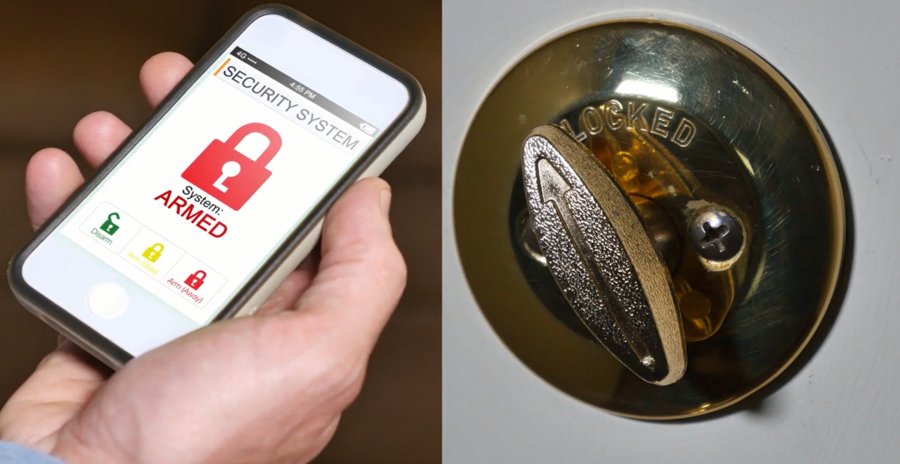
In today's digital age, the security of our homes is not just limited to physical locks and alarm systems. With the rise of smart homes and connected devices, cybersecurity has become an equally important aspect to consider. Cybercriminals are becoming increasingly sophisticated in their attacks, and homeowners need to take proactive measures to protect their data and privacy. In this blog, we will discuss some simple tips that can help you hacker-proof your home and boost your cybersecurity today. By following these tips, you can help ensure that your home remains a safe and secure place in the digital world.
Background:
As we continue to integrate technology into our daily lives, the importance of cybersecurity has become more apparent. This is especially true when it comes to our homes, where we store and transmit sensitive data. With the rise of the Internet of Things (IoT), homes are becoming increasingly connected, and this trend is expected to continue. According to a report by Statista, the number of IoT devices is expected to reach 75.44 billion by 2025.
However, many of these devices are not properly secured, making them vulnerable to cyber attacks. This is a significant concern because, unlike traditional physical break-ins, cyber attacks can go unnoticed for long periods of time, allowing attackers to steal sensitive information or cause damage without being detected.
Recent high-profile cyber attacks, such as the SolarWinds hack, have highlighted the need for better cybersecurity measures. The SolarWinds hack affected numerous government agencies and businesses and was a stark reminder of the importance of cybersecurity. As we continue to rely more on technology, it is essential to take steps to hacker-proof our homes and protect our sensitive data.
Key Points:
-
Use strong and unique passwords: Avoid using easy-to-guess passwords like "123456" or "password". Instead, use a combination of upper and lowercase letters, numbers, and symbols.
-
Update your software regularly: Keep your operating system, applications, and antivirus software up-to-date to fix any security vulnerabilities.
-
Use two-factor authentication: Use two-factor authentication wherever possible to add an extra layer of security to your accounts.
-
Be cautious of suspicious emails: Don't click on links or download attachments from unknown sources. Always double-check the email sender's address before clicking on anything.
-
Secure your home network: Change your default router password, enable network encryption, and create a guest network for visitors.
-
Back up your data: Regularly backup your important files to an external hard drive or cloud storage service.
-
Limit personal information online: Be cautious of what personal information you share online, especially on social media.
-
Use a VPN: Use a virtual private network (VPN) to encrypt your internet connection and protect your privacy.
Examples and Evidence:
- Secure Your Wi-Fi Network: One of the simplest and most effective ways to improve your cybersecurity at home is to secure your Wi-Fi network. This involves changing your router's default username and password to something stronger and more unique, and enabling WPA2 encryption on your network. According to a study conducted by the cybersecurity company Symantec, over 20% of home networks have weak passwords or no passwords at all, making them easy targets for hackers. By securing your Wi-Fi network, you can greatly reduce the risk of unauthorized access to your devices and data.
- Use Strong Passwords: Another simple yet powerful step to enhance your home cybersecurity is to use strong passwords for all of your devices and online accounts. A strong password is one that is at least 12 characters long, includes a mix of uppercase and lowercase letters, numbers, and symbols, and is not a commonly used word or phrase. According to a report by the cybersecurity firm SplashData, "123456" and "password" were the two most commonly used passwords in 2020, leaving millions of people vulnerable to cyber attacks. By using strong passwords and changing them regularly, you can make it much harder for hackers to gain access to your personal information.
- Install Security Software: In addition to securing your Wi-Fi network and using strong passwords, installing security software on your devices can provide an extra layer of protection against cyber threats. Antivirus software, firewalls, and anti-malware programs can help detect and prevent malicious software from infecting your devices and stealing your data. According to a study by the cybersecurity company McAfee, the number of new malware samples increased by 358% in the first quarter of 2021 compared to the same period in 2020, highlighting the need for strong security software on all devices.
- Keep Your Software Up to Date: Another important step to take to hacker-proof your home is to keep your software and devices up to date with the latest security patches and updates. Many software updates include bug fixes and security patches that can help prevent cyber attacks. According to a report by the cybersecurity firm Positive Technologies, 50% of vulnerabilities in popular software can be eliminated simply by installing the latest updates. By keeping your software and devices up to date, you can reduce your risk of being targeted by cybercriminals.
Conclusion:
In conclusion, protecting your home from cyber threats is more important than ever in today's digital age. By implementing simple tips and best practices, such as using strong passwords, updating your software, and being cautious of suspicious emails or links, you can significantly reduce the risk of a cyber attack. Additionally, utilizing advanced cybersecurity solutions and services, such as those offered by digiALERT, can provide an added layer of protection and peace of mind. With a combination of proactive measures and expert assistance, you can effectively hacker-proof your home and safeguard your digital identity and assets.