In the ever-evolving world of cybersecurity, every year introduces new attack methods, more sophisticated adversaries, and more critical vulnerabilities. But among the most concerning trends emerging today are pre-authentication exploit chains—a class of attacks that can allow cybercriminals to completely bypass login mechanisms and gain unauthorized access to critical systems.
Blog


Did you know that malware attacks like NoodleRAT are evolving faster than ever, targeting not just governments but businesses worldwide? With over 1.7 million malware attacks reported daily in 2024 according to AV-TEST, no organization—large or small—is truly safe without proactive defense.
The cyber threat landscape is shifting at a rapid pace. Once upon a time, advanced malware campaigns like NoodleRAT were primarily the concern of government agencies and defense contractors. But those days are over.
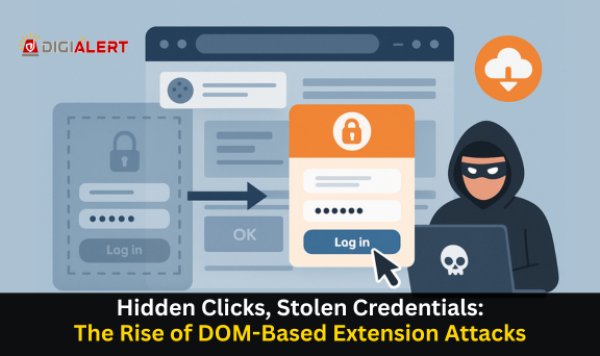
Did you know that over 4.95 billion people worldwide—about 62.3% of the global population—actively use internet browsers every day? Browsers have become the entry point to nearly every digital interaction we perform—whether it’s accessing work tools, online banking, or managing personal accounts. Yet, despite their importance, a large percentage of users remain unaware of the silent threats lurking within browser extensions.
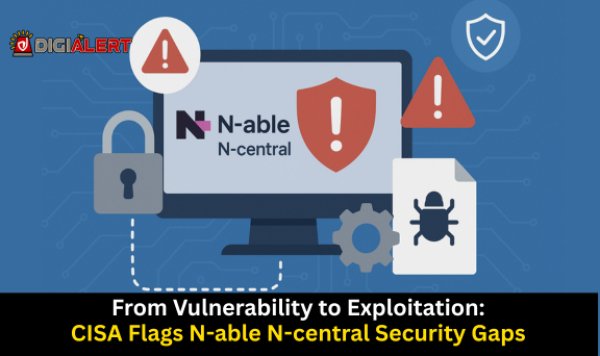
Did you know that unpatched vulnerabilities in IT management tools can serve as a direct doorway for cybercriminals—leading to ransomware outbreaks, massive data breaches, and even nationwide supply chain compromises? The U.S. Cybersecurity and Infrastructure Security Agency (CISA) has just added two critical flaws in N-able N-central to its Known Exploited Vulnerabilities (KEV) catalog. This is not a routine security advisory—these are flaws that attackers are actively weaponizing. If your business uses N-central, the clock to patch is already ticking.
In cybersecurity, time is the ultimate weapon. Threat actors have mastered the art of exploiting vulnerabilities faster than organizations can patch them, turning every unpatched system into a potential breach point. The latest high-profile example is the critical flaw in Apache ActiveMQ (CVE-2023-46604), which has been weaponized to deliver the notorious Godzilla malware.
This vulnerability carries a CVSS score of 10.0, the highest possible rating, meaning it allows unauthenticated remote code execution (RCE). In practical terms, an attacker can gain complete control of a vulnerable server without needing valid credentials.

Did you know a single hidden backdoor in one widely used open-source tool could compromise millions of systems worldwide?
That’s exactly what happened with XZ Utils—a seemingly harmless compression utility that ships with multiple Linux distributions.
In late March 2024, security researchers discovered that the latest versions of XZ Utils had been secretly modified to include a remote access backdoor. This wasn’t just a routine vulnerability—it was a carefully planned software supply chain attack.
- TETRA Radio Encryption Flaws Exposed: A Wake-Up Call for Critical Infrastructure Security
- New Windows DDoS Flaws Expose Critical Risks: How to Protect Your Systems Now
- SocGholish Malware Spreading via Ad Tools – A Growing Threat to Enterprises
- ECScape Vulnerability in IBM Cloud: A Silent Leak That Could Expose Your Data
Information
digiALERT is a rapidly growing new-age premium cyber security services firm. We are also the trusted cyber security partner for more than 500+ enterprises across the globe. We are headquartered in India, with offices in Santa Clara, Sacremento , Colombo , Kathmandu, etc. We firmly believe as a company, you focus on your core area, while we focus on our core area which is to take care of your cyber security needs.