Cloud-native technologies like Docker have revolutionized how modern enterprises deploy applications—but they’ve also opened new doors for attackers. In recent months, cybersecurity researchers have uncovered an alarming surge in attacks targeting misconfigured Docker API instances, turning them into nodes in massive, resource-hijacking botnets designed to mine cryptocurrencies like Dero and Monero.
Blog


The cybersecurity landscape is rapidly evolving, and the latest wave of attacks illustrates just how critical and vulnerable our development environments have become. A massive campaign involving more than 4,800 IP addresses has recently been uncovered, with cybercriminals targeting misconfigured Git directories—specifically the .git/config files commonly found in software development setups.
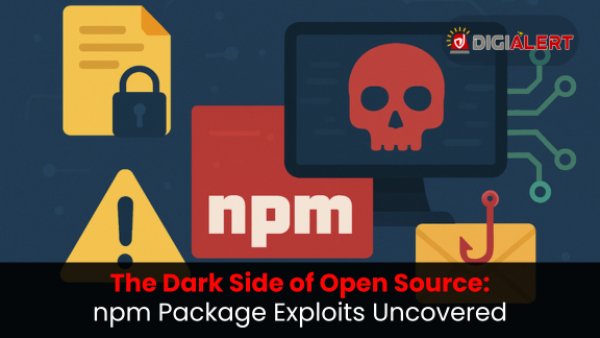
In an increasingly digital world where rapid application development is paramount, developers heavily rely on open-source package ecosystems like npm (Node Package Manager) to streamline their workflow. These repositories promise speed, collaboration, and innovation—but they also introduce a critical and often overlooked threat vector: supply chain attacks.
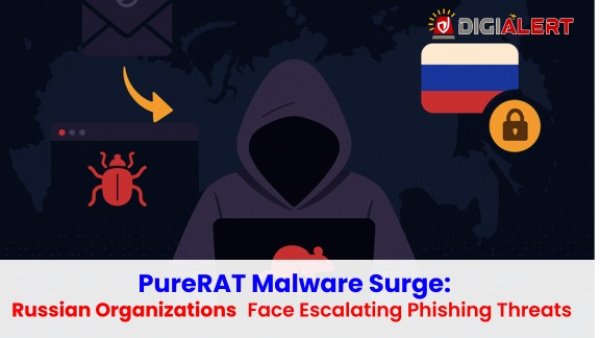
The digital threat landscape in 2025 is becoming increasingly hostile. Among the most alarming developments is the 400% surge in PureRAT activity—an aggressive comeback of a once under-the-radar Remote Access Trojan (RAT). According to aggregated data from global threat intelligence firms and Digialert's internal telemetry, PureRAT infections have skyrocketed, signaling a new wave of cyberattacks that businesses cannot afford to ignore.

Did you know that over 60% of malware infections originate from disguised software installers? Cybercriminals are becoming more strategic than ever, packaging malware in what appears to be legitimate software to gain user trust. In one of the latest campaigns uncovered by cybersecurity firm Rapid7, attackers are targeting Chinese-speaking users by distributing fake versions of widely used applications like LetsVPN and QQ Browser.
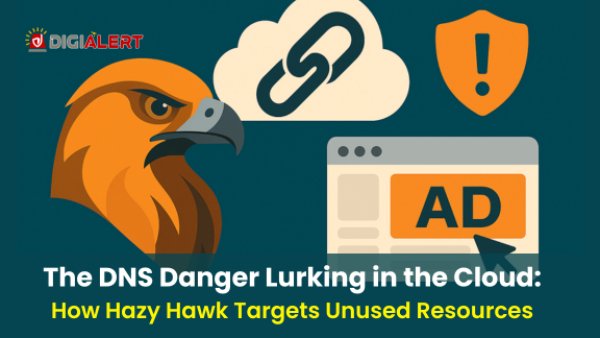
A new breed of cyber attackers—led by a threat group known as Hazy Hawk—is capitalizing on these misconfigurations to redirect users to scam sites, phishing pages, and malware. The attack method is deceptively simple, but the impact can be devastating—especially when trusted domains belonging to governments, enterprises, and academic institutions are weaponized against the public.
Information
digiALERT is a rapidly growing new-age premium cyber security services firm. We are also the trusted cyber security partner for more than 500+ enterprises across the globe. We are headquartered in India, with offices in Santa Clara, Sacremento , Colombo , Kathmandu, etc. We firmly believe as a company, you focus on your core area, while we focus on our core area which is to take care of your cyber security needs.