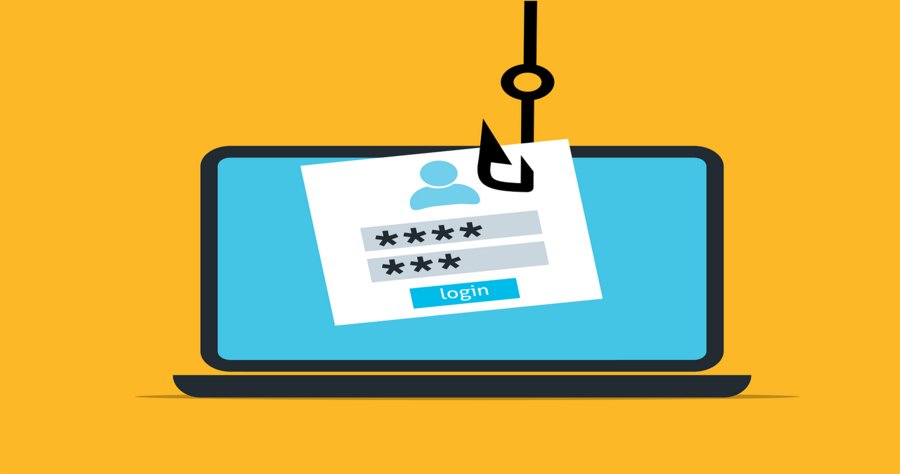
In the ever-expanding realm of cybersecurity, the persistent menace of phishing attacks stands out as a formidable threat. These insidious tactics prey upon the vulnerabilities of individuals and organizations alike, exploiting trust to gain unauthorized access or extract sensitive information. This blog aims to provide an in-depth exploration of the anatomy of phishing attacks, dissecting common techniques employed by cybercriminals, and delving into the intricate investigative process designed to trace and apprehend the perpetrators behind these malicious activities.
Understanding Phishing Attacks
- Social Engineering Tactics
Phishing attacks typically commence with the implementation of social engineering tactics. Cybercriminals adeptly craft deceptive messages, emails, or websites that convincingly masquerade as legitimate entities. These deceptive constructs manipulate human behavior, enticing individuals to unknowingly divulge confidential information or unwittingly click on links leading to malicious content.
The success of social engineering lies in its ability to exploit trust and familiarity. By impersonating trustworthy sources, attackers induce a false sense of security, making it challenging for individuals to discern the authenticity of the communication.
- Spear Phishing
Taking a more targeted approach, spear phishing involves tailoring attacks to specific individuals or organizations. In this sophisticated variant, attackers meticulously gather information about their targets, leveraging details to create highly personalized messages. By addressing recipients by name or referencing specific organizational details, cybercriminals increase the likelihood of their deceptive communications being perceived as authentic.
The personalized nature of spear phishing makes it a potent weapon in the hands of cyber adversaries. It demands a higher level of vigilance from potential victims, as traditional indicators of phishing may be absent in these meticulously crafted messages.
- Clone Phishing
Clone phishing introduces a method of attack where cybercriminals duplicate legitimate communication, such as an email, and subsequently replace links or attachments with malicious alternatives. The recipient, perceiving the communication as originating from a trusted source, unwittingly interacts with harmful content.
This technique capitalizes on the trust established by legitimate communications, exploiting the recipient's familiarity with the original message. Clone phishing emphasizes the importance of scrutinizing even seemingly familiar emails, as they may harbor hidden threats.
- Vishing (Voice Phishing) and Smishing (SMS Phishing)
While the term "phishing" traditionally conjures images of deceptive emails, the landscape has expanded to include voice and text-based communication. Vishing, or voice phishing, involves manipulating individuals through phone calls, while smishing, or SMS phishing, leverages text messages to deceive recipients into revealing sensitive information.
Vishing often employs tactics such as impersonating authoritative figures or creating scenarios that induce panic, compelling individuals to divulge information over the phone. Smishing exploits the pervasive use of mobile devices, delivering deceptive messages that prompt recipients to click on malicious links or disclose confidential information via text.
The Investigative Process
- Incident Detection and Analysis
The investigative journey into a phishing attack begins with the crucial step of incident detection and analysis. Security professionals must be adept at identifying potential phishing incidents, which may manifest as suspicious emails, reports from vigilant users, or anomalies detected by advanced threat detection systems.
Analysis of the incident involves understanding the scope of the attack, identifying potential victims, and assessing the methods employed by the attackers. This initial phase lays the foundation for a comprehensive investigation, guiding the allocation of resources and determining the appropriate response strategy.
- Forensic Analysis of Phishing Artifacts
Digital forensics serves as a cornerstone in the investigation of phishing attacks. Security experts meticulously analyze phishing emails, malicious URLs, and compromised systems to extract valuable insights. This forensic analysis aims to unravel the intricacies of the attack, providing details about its origin, execution, and potential indicators of compromise.
Forensic experts employ specialized tools and techniques to reconstruct the timeline of events, uncovering the tactics used by cybercriminals to obfuscate their activities. This level of scrutiny is essential for developing a thorough understanding of the attack's modus operandi.
- Tracing IP Addresses and Domains
In the digital realm, every interaction leaves a trail of breadcrumbs. Investigators trace these digital footprints, including IP addresses and domains associated with the phishing campaign. This process involves collaborating with internet service providers (ISPs) and domain registrars to identify the infrastructure used by cybercriminals.
Tracing IP addresses and domains not only provides insights into the technical aspects of the attack but also facilitates the mapping of the attackers' infrastructure. This information becomes instrumental in building a case for legal action and further collaboration with law enforcement agencies.
- Collaboration with Law Enforcement
Phishing attacks often transcend geographical boundaries, necessitating collaboration between cybersecurity professionals and law enforcement agencies. Sharing information and intelligence with relevant authorities is crucial for initiating legal proceedings against the perpetrators.
Collaboration involves providing law enforcement agencies with detailed reports, evidence gathered during the investigation, and any information that could aid in identifying and apprehending the attackers. This joint effort enhances the chances of bringing the perpetrators to justice while also contributing to the broader fight against cybercrime.
- Educating and Empowering Users
Preventing future phishing attacks goes beyond technical solutions; it requires a proactive approach to user education and empowerment. Cybersecurity professionals must engage in ongoing awareness campaigns, educating users about the latest phishing tactics and best practices for recognizing and reporting suspicious activity.
Empowering users involves training them to be vigilant, encouraging the adoption of secure communication practices, and fostering a culture of cybersecurity within organizations. By arming individuals with the knowledge to identify and report potential threats, organizations can significantly enhance their overall resilience to phishing attacks.
Examples and Evidence:
- Google Docs Phishing (2017):
- Description: Cybercriminals sent emails seemingly from Google Docs, requesting users to click on a shared document link. Clicking the link led users to a phishing page that requested access to their Google accounts.
- Evidence: The widespread nature of this attack was evident from the rapid increase in reported incidents. Users shared screenshots of the phishing emails on social media platforms, showcasing the deceptive nature of the messages.
- CEO Fraud (Spear Phishing):
- Description: Cybercriminals conduct targeted spear phishing campaigns, posing as high-ranking executives within organizations. They send convincing emails to finance departments, tricking them into transferring funds to fraudulent accounts.
- Evidence: Several companies have fallen victim to CEO fraud, leading to financial losses. Investigations involve tracing the flow of funds, analyzing email headers, and sometimes collaborating with financial institutions to freeze or recover the transferred funds.
- Netflix Phishing Campaign (Clone Phishing):
- Description: Attackers send emails claiming an issue with the user's Netflix account, prompting them to click on a link to rectify the problem. The linked page is a clone of the official Netflix login page, aiming to capture user credentials.
- Evidence: Security researchers analyze the phishing URLs, compare them with legitimate Netflix URLs, and often discover these malicious pages through automated web crawlers that detect cloned websites.
- WhatsApp Voice Phishing (Vishing):
- Description: In vishing attacks, cybercriminals call users, posing as official representatives of organizations like banks. They use social engineering to extract sensitive information or persuade users to install malicious software.
- Evidence: Reports from users who have received suspicious calls, coupled with call recordings, provide evidence of vishing attempts. Investigations involve tracing the source of the calls and analyzing any associated phishing websites or malware.
Conclusion
As we conclude our exploration into the intricate world of phishing attacks and the corresponding investigative processes, it becomes abundantly clear that safeguarding the digital realm is an ongoing and collaborative effort. At digiALERT, we recognize the dynamic nature of cyber threats, particularly the persistent and evolving menace of phishing attacks.
The anatomy of phishing attacks reveals a landscape rife with deception, where cybercriminals adeptly exploit human vulnerabilities through social engineering tactics, spear phishing, clone phishing, vishing, and smishing. Understanding these techniques is paramount in fortifying our defenses against the ever-sophisticated methods employed by malicious actors.
In the realm of investigation, the journey begins with swift incident detection and meticulous analysis, laying the groundwork for a comprehensive response. The application of digital forensics unveils the nuances of the attack, unraveling its origins and providing invaluable insights for future resilience. Tracing IP addresses and domains, coupled with collaboration with law enforcement, serves as a crucial step toward apprehending perpetrators and bringing them to justice.
At digiALERT, we are committed to staying at the forefront of cybersecurity, leveraging advanced technologies and collaborative partnerships to combat phishing attacks effectively. Our focus extends beyond mere incident response; we strive to empower users through education and awareness initiatives. By fostering a culture of cybersecurity and equipping individuals with the knowledge to identify and report potential threats, we contribute to a collective defense against phishing attacks.
As we navigate the ever-changing landscape of cybersecurity, digiALERT remains dedicated to innovation, collaboration, and a relentless pursuit of a secure digital future. Together, we stand resilient, ready to face the challenges posed by phishing attacks and to ensure a safer and more secure online environment for individuals and organizations alike.