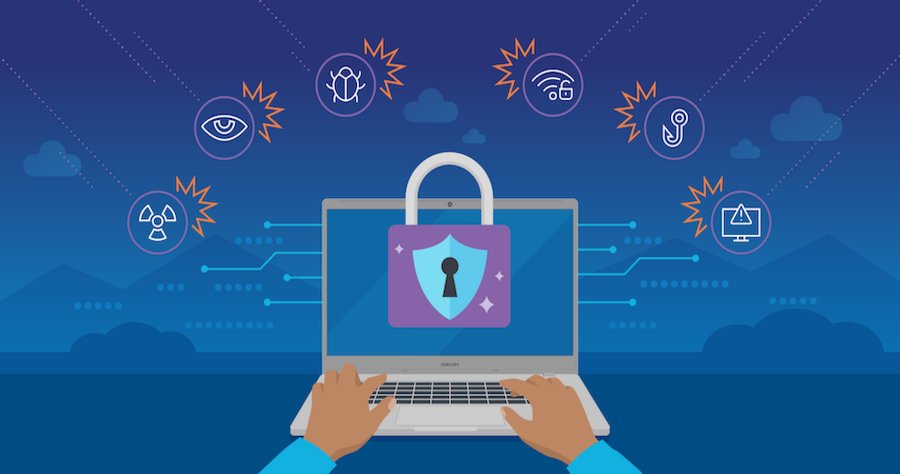
In today's digital landscape, small and medium-sized enterprises (SMEs) face increasing cybersecurity challenges. Despite their size, SMEs are valuable targets for cybercriminals due to their limited resources and potentially weaker security measures. This blog post explores the unique challenges faced by SMEs in cybersecurity and provides practical solutions to enhance their defense against evolving cyber threats.
The Importance of Cybersecurity for SMEs
SMEs, just like larger organizations, handle sensitive data and face significant financial and reputational risks in the event of a data breach. It is crucial for SMEs to recognize the importance of cybersecurity and proactively invest in protecting their digital assets.
Common Misconceptions about SMEs and Cybersecurity
There is a common misconception that SMEs are not lucrative targets for cyberattacks. However, cybercriminals see SMEs as soft targets due to their potentially limited security measures and resources. It is essential for SMEs to understand that they are not immune to cyber threats and must take appropriate measures to protect their digital infrastructure.
The Rising Threats: Targeted Attacks and Ransomware
SMEs are increasingly facing targeted attacks aimed at stealing valuable data, disrupting operations, or extorting ransom payments. Ransomware attacks, in particular, have become prevalent, where attackers encrypt critical data and demand payment to restore access. SMEs must be aware of these threats and implement preventive measures to mitigate the risks.
Limited Resources and Budget Constraints
SMEs often have limited budgets allocated for cybersecurity measures, making it challenging to invest in robust security solutions and dedicated personnel. This limitation makes them attractive targets for cybercriminals. Finding cost-effective solutions becomes crucial for SMEs to strengthen their defenses.
Lack of Cybersecurity Expertise
SMEs may not have in-house cybersecurity expertise, making it difficult to develop and implement effective security strategies. Without the right expertise, identifying vulnerabilities and implementing appropriate security controls becomes a challenge. SMEs need to explore options such as outsourcing or engaging with managed security service providers (MSSPs) to bridge this gap.
Inadequate Security Awareness and Training
Employees play a critical role in maintaining strong cybersecurity practices. However, many SMEs lack adequate security awareness training programs for their staff. Without proper training, employees may fall victim to phishing attacks or unknowingly engage in risky online behavior. SMEs must prioritize security awareness and educate their employees on best practices.
Third-Party Risks and Supply Chain Vulnerabilities
SMEs often rely on third-party vendors and suppliers for various services. However, these third parties can introduce potential vulnerabilities into the SME's ecosystem. It is crucial for SMEs to assess the cybersecurity posture of their vendors, establish secure communication channels, and implement contractual agreements to mitigate third-party risks.
Rapidly Evolving Cyber Threats
Cyber threats are constantly evolving, and new attack techniques and vulnerabilities emerge regularly. SMEs may struggle to keep up with the latest trends and adapt their security measures accordingly. Staying informed and proactive in monitoring emerging threats is essential for SMEs to maintain effective cybersecurity defenses.
Develop a Cybersecurity Strategy and Incident Response Plan
SMEs should develop a comprehensive cybersecurity strategy that aligns with their business goals and risk appetite. This strategy should outline the security controls, incident response procedures, and recovery mechanisms in the event of a cyber incident. Having an incident response plan in place helps minimize the impact of a breach and ensures a swift response.
Educate and Train Employees on Cybersecurity Best Practices
SMEs should prioritize cybersecurity awareness training for all employees. This training should cover topics such as recognizing phishing emails, creating strong passwords, and safely using company resources. Regular training sessions and awareness campaigns can significantly reduce the risk of human error and improve the overall security posture of the organization.
Implement Strong Access Controls and Authentication Mechanisms
SMEs should enforce robust access controls to restrict unauthorized access to sensitive systems and data. This includes implementing strong passwords, multi-factor authentication, and least privilege principles. By limiting access to only those who require it, SMEs can reduce the potential attack surface and minimize the impact of a breach.
Regularly Update and Patch Systems and Software
SMEs must maintain an updated inventory of their software and systems and promptly apply security patches and updates. Unpatched software can contain known vulnerabilities that cybercriminals can exploit. Implementing a patch management process helps protect against known vulnerabilities and strengthens the security posture.
Employ Firewall and Antivirus Solutions
Firewalls and antivirus solutions provide a foundational layer of defense against various cyber threats. SMEs should deploy robust firewalls to monitor and filter incoming and outgoing network traffic. Additionally, antivirus solutions should be installed on all devices to detect and block malware, ensuring a higher level of protection against malicious activities.
Backup and Disaster Recovery Planning
Regular data backups and a comprehensive disaster recovery plan are crucial for SMEs to minimize downtime and data loss in the event of a cyber incident. SMEs should regularly back up critical data to secure locations and test their backup and recovery procedures to ensure data integrity and availability.
Conduct Regular Security Audits and Assessments
SMEs should perform periodic security audits and assessments to identify vulnerabilities and weaknesses in their systems and processes. These audits can be conducted internally or by engaging external cybersecurity experts. Regular audits help identify areas of improvement and ensure ongoing security effectiveness.
Collaborate with Managed Security Service Providers (MSSPs)
SMEs can partner with MSSPs to augment their cybersecurity capabilities. MSSPs offer specialized security expertise, round-the-clock monitoring, and threat detection services, enabling SMEs to benefit from advanced security technologies and skilled professionals without the need for significant investments in internal resources.
Stay Informed through Cybersecurity Information Sharing
SMEs should actively participate in cybersecurity information sharing initiatives and forums. These platforms provide valuable insights into emerging threats, attack trends, and best practices shared by the cybersecurity community. By staying informed, SMEs can proactively adapt their security measures to counter the latest threats.
Engage in Industry-specific Cybersecurity Networks and Associations
Industry-specific cybersecurity networks and associations can provide SMEs with industry-relevant guidance, benchmarks, and networking opportunities. Joining these associations allows SMEs to learn from peers, share experiences, and gain valuable insights into sector-specific cybersecurity challenges and solutions.
Leadership Commitment and Awareness
Cybersecurity should be a top-down initiative, with leaders actively demonstrating their commitment to cybersecurity. Executives should prioritize cybersecurity, allocate appropriate resources, and lead by example in adhering to security policies and practices.
Employee Training and Education
SMEs should invest in ongoing employee training and education programs to foster a cybersecurity-conscious culture. This includes regular training sessions, workshops, and awareness campaigns focused on current cyber threats, safe online behavior, and reporting suspicious activities.
Regular Communication and Awareness Campaigns
SMEs should regularly communicate cybersecurity updates, policy changes, and best practices to their employees. Awareness campaigns through emails, newsletters, and internal communication channels help keep cybersecurity at the forefront of employees' minds and reinforce a culture of security.
Encouraging Reporting of Security Incidents and Suspicious Activities
SMEs should establish clear reporting mechanisms for employees to report security incidents, potential vulnerabilities, or suspicious activities. Encouraging an open reporting culture ensures that security incidents are addressed promptly, minimizing potential damage and enabling proactive response measures.
Understanding Applicable Regulations and Standards
SMEs must be aware of applicable data protection and privacy regulations, such as the General Data Protection Regulation (GDPR) in the European Union or the California Consumer Privacy Act (CCPA) in the United States. Complying with these regulations helps SMEs protect customer data and avoid potential legal and financial consequences.
Implementing Data Privacy Measures
SMEs should implement privacy measures, such as data encryption, access controls, and data minimization, to safeguard customer and employee data. By protecting personal information and sensitive data, SMEs can maintain trust with their stakeholders and mitigate the risk of data breaches.
Conducting Risk Assessments and Compliance Audits
Regular risk assessments and compliance audits help SMEs identify gaps in their security measures and ensure adherence to applicable regulations. These assessments enable SMEs to proactively address vulnerabilities and enhance their cybersecurity posture in a structured and systematic manner.
Case Studies: Real-World Examples of SME Cybersecurity Challenges and Solutions
Case Study 1: Phishing Attack on a Small Manufacturing Company
A small manufacturing company fell victim to a phishing attack when an employee inadvertently clicked on a malicious email attachment. The attacker gained access to the company's network, resulting in data theft and a significant financial loss. To prevent similar incidents, the company implemented employee training programs on identifying phishing emails, deployed advanced email filtering systems, and enforced multi-factor authentication.
Case Study 2: Ransomware Attack on a Medium-sized Retail Business
A medium-sized retail business experienced a ransomware attack that encrypted critical customer data and disrupted operations. The company had neglected to update their systems and lacked proper backup procedures. To recover, the company engaged an incident response team, deployed robust backups and disaster recovery solutions, and implemented regular patch management and system updates.
Case Study 3: Business Email Compromise (BEC) Attack on a Small Accounting Firm
A small accounting firm fell victim to a Business Email Compromise (BEC) attack. Cybercriminals gained unauthorized access to an employee's email account and used it to send fraudulent invoices to clients. The firm suffered financial losses and reputational damage. To prevent future incidents, the firm implemented multi-factor authentication for email accounts, enhanced employee awareness and training on BEC scams, and established strict verification procedures for financial transactions.
Case Study 4: Supply Chain Attack on a Medium-sized Manufacturing Company
A medium-sized manufacturing company became a victim of a supply chain attack when a trusted vendor's software update contained malicious code. The attack led to a data breach and compromised sensitive customer information. The company reinforced its supply chain security by conducting thorough vendor assessments, implementing strict vetting procedures for software updates, and enhancing network monitoring capabilities to detect and respond to suspicious activities.
Case Study 5: Insider Threat Incident at a Small Technology Startup
A small technology startup experienced an insider threat incident where a disgruntled employee attempted to steal sensitive intellectual property and customer data. The company had not implemented adequate access controls or employee monitoring measures. To mitigate insider threats, the company implemented role-based access controls, conducted regular employee background checks, and established data loss prevention mechanisms to monitor and prevent unauthorized data exfiltration.
Case Study 6: Distributed Denial of Service (DDoS) Attack on an E-commerce SME
An e-commerce SME faced a DDoS attack that overwhelmed its website, resulting in significant downtime and loss of revenue. The company had not implemented effective DDoS mitigation measures. To prevent future DDoS attacks, the company employed the services of a cloud-based DDoS protection provider, implemented traffic filtering and rate limiting solutions, and established incident response procedures to minimize the impact of future attacks.
Case Study 7: Unauthorized Access to Cloud Storage at a Small Marketing Agency
A small marketing agency experienced unauthorized access to their cloud storage account, compromising client data and confidential business information. The agency had not implemented strong authentication measures or encryption for their cloud storage. To enhance cloud security, the agency implemented multi-factor authentication, encrypted sensitive data, and regularly audited cloud storage access logs to detect and respond to any suspicious activities.
Conclusion
At digiALERT, we understand the unique challenges that small and medium-sized enterprises (SMEs) face in the realm of cybersecurity. Protecting your assets, customers, and reputation is of utmost importance in today's digital landscape. Throughout this blog post, we have explored the challenges encountered by SMEs and provided practical solutions to enhance their cybersecurity posture.
SMEs often encounter limited resources, budget constraints, and a lack of cybersecurity expertise. However, by partnering with digiALERT and implementing our tailored solutions, SMEs can effectively address these challenges and mitigate cyber risks. Our comprehensive approach encompasses understanding the cybersecurity landscape, implementing essential security measures, leveraging digiALERT's expertise, cultivating a cybersecurity culture, and ensuring regulatory compliance.
By working with digiALERT, SMEs gain access to our team of cybersecurity experts who provide 24/7 monitoring, threat detection, and incident response services. We offer robust solutions such as developing cybersecurity strategies and incident response plans, providing employee training and education, implementing strong access controls, and facilitating regular system updates and patching.
Moreover, we prioritize fostering a cybersecurity culture within your organization by promoting leadership commitment, conducting employee training sessions, and encouraging the reporting of security incidents. Our compliance services assist SMEs in navigating the complexities of data protection and privacy regulations, ensuring adherence to relevant standards.
By partnering with digiALERT, SMEs can confidently tackle the cybersecurity challenges they face. We provide the expertise, resources, and support necessary to protect your digital operations, maintain customer trust, and safeguard your long-term success. Together, we create a resilient cybersecurity framework that empowers SMEs to thrive in today's ever-evolving threat landscape.
Choose digiALERT as your trusted cybersecurity partner, and let us help you navigate the complexities of cybersecurity, mitigate risks effectively, and ensure the security and growth of your SME.