
Cybersecurity is no longer just an IT concern for Indian businesses. It’s a board-level priority.
With rising ransomware attacks, tighter regulations like the DPDP Act, and increased cloud adoption,Indian businesses are actively looking for reliable, India-based cybersecurity firms that can deliver real protection, not just tools or reports.
This guide highlights the Top 10 Indian Cybersecurity Companies for 2026.

Let us start with a simple story.
A bakery owner locks his shop every night. Not because something bad has happened,but to make sure nothing does.
Cybersecurity works the same way. Most businesses don’t face attacks every day,
but when one happens, the damage is fast and costly.
Today, every business is a digital business And that’s why cybersecurity is no longer optional.

In 2025 , Attackers didn’t smash windows anymore. They walked in through the front door, using real credentials, trusted tools, and familiar workflows.
For many leadership teams, the most disturbing realization in 2025 wasn’t that they got breached.
It was how long attackers had been inside before anyone noticed.This blog breaks down 5 defining cybersecurity incidents and attack patterns of 2025
explained simply, without buzzwords, and with a clear takeaway for every business.

If you run a business in India today, there is one question you can no longer ignore“Are we actually compliant with DPDPA 2025, or are we just hoping we are?”
The Digital Personal Data Protection Act, 2025 (DPDPA) is not just another legal document to file away.It directly affects how you collect customer data, store employee records
use cloud tools, and even how you respond when something goes wrong.This blog is written to be simple, practical, and human.
No legal jargon.Just clear steps you can actually follow and plug into your daily business workflow.

If your business collects names, phone numbers, email IDs, employee records, customer data, or even website form details, this law applies to you.
The Digital Personal Data Protection Act (DPDP Act), 2025 is India’s long-awaited data protection law.
This law isn’t just for large enterprises or tech giants. It affects startups, MSMEs, consultants, hospitals, schools,e-commerce platforms, fintech companies, and even small websites that collect personal data.Let’s break it down in plain English.

A recent proposal from India , Continuous GPS monitoring slipped quietly into the headlines, and suddenly everyone from smartphone users to CEOs to privacy experts is paying attention.
Governments, telecom operators, businesses, and everyday consumers are increasingly talking about real-time location tracking and the conversations are heating up.
Let’s walk through what’s happening, why it matters, and how this small setting on your phone could have a big impact on your life.
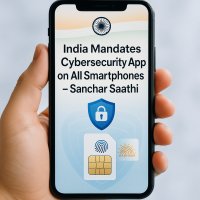
India is going digital at lightning speed. From UPI payments to online banking to e-commerce,everything runs on our smartphones.
But with this convenience comes a big risk: fraud calls, fake SIM registrations, cloned mobile phones and rising cybercrime.
To tackle this head-on, the Government of India has introduced something every citizen needs to know - Sanchar Saathi.
Let’s break it down in a simple, friendly way.

Data protection in India is offically Live now
The DPDPA Rules 2025 bring structure, deadlines, and accountability to the Act that was introduced earlier. For the first time, organisations have detailed instructions on consent, breach reporting, retention periods, children’s data, security safeguards, and more.
This breakdown will help your teams understand the Rules in simple terms, identify what applies to your organisation, and start planning for compliance right away.

The Cloudflare Outage: Why the Internet Broke Yesterday And What It Means for All of Us Yesterday felt like one of those days where the entire internet decided to take a break.
Websites weren’t loading, apps froze halfway, login screens got stuck and payment pages In this deep-dive, let’s walk through what actually happened, why it matters,
how it affects businesses from startups to enterprises, and what you should take away from this incident.
I’ll break it down in a simple words.
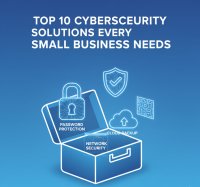
You might think:“Why would hackers bother with my small business?I’m not a bank or a big tech company!”Here’s the plot twist:small businesses are actually the #1 target for cybercriminals today.
So today, we’re breaking down 10 cybersecurity solutions every small business should use explained in plain English, no tech dictionary required.Let’s lock those digital doors together.